


Key Indicators Of High-Quality Softgel Capsule Equipment
Apr 15, 2026
Investing in softgel capsule equipment is a major decision for any manufacturer. The difference between a reliable machine and one prone to frequent breakdowns can directly impact product quality, production costs, and overall profitability. To make an informed choice, buyers must evaluate multiple factors-not just price or basic output ratings, but also precision, stability, durability, and ease of operation. Understanding what separates high-quality equipment from average alternatives is the first step toward a successful long-term investment.
Precision and Consistency
At the heart of softgel production lies the ability to form capsules with uniform shell thickness and accurate fill weight. High-quality equipment features precise metering systems, servo-driven controls, and well-calibrated nozzles that ensure each capsule receives exactly the intended dose. Even minor deviations in fill weight can lead to product rejection or regulatory non-compliance, especially in pharmaceutical applications. A superior seamless capsule machine is designed to maintain these critical parameters across long production runs, delivering consistent results capsule after capsule.
Stability and Process Control
Stability refers to the machine's ability to perform reliably under varying operating conditions-ambient temperature changes, different formulation viscosities, or extended running hours. Advanced control systems, including programmable logic controllers (PLCs) and real-time sensors, help maintain stable parameters such as die roll temperature, cooling medium flow, and injection pressure. When a seamless softgel machine is built with robust hardware and intelligent software, it reduces the risk of unexpected shutdowns and minimizes batch-to-batch variation. This stability is particularly important for manufacturers producing sensitive ingredients that require tight process windows.

Durability and Build Quality
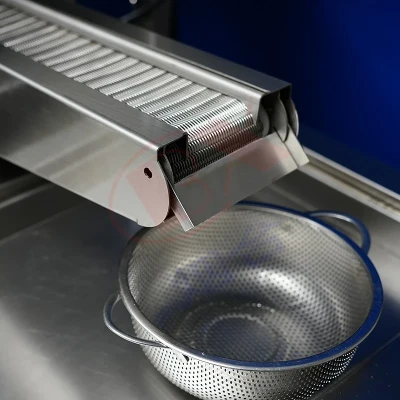
Softgel production involves continuous mechanical motion, exposure to gelatin and oils, and frequent cleaning cycles. Equipment constructed with corrosion-resistant materials-such as stainless steel for contact parts-and precision-machined components will withstand years of heavy use without compromising accuracy. Durable machines also have lower maintenance requirements, which translates to less downtime and lower total cost of ownership. When inspecting potential equipment, pay close attention to the quality of rotating shafts, bearings, and die rolls, as these are the most stress-prone parts.
Ease of Operation and Maintenance
A machine that is difficult to operate or clean can become a bottleneck regardless of its theoretical output. High-quality seamless softgel equipment is designed with user-friendly interfaces, clear parameter displays, and accessible cleaning points. Quick-change tooling for different capsule sizes, simplified lubrication systems, and self-diagnostic features all contribute to operational efficiency. Additionally, equipment that supports easy disassembly and reassembly reduces changeover time between product runs, allowing manufacturers to respond faster to market demands.
Compliance and Quality Assurance Features
For manufacturers targeting pharmaceutical, nutraceutical, or food markets, regulatory compliance is non-negotiable. High-quality equipment should be designed to meet Good Manufacturing Practice (GMP) standards, with smooth surfaces, no dead corners for product accumulation, and traceability of production data. Some advanced machines also include in-line weight monitoring and automatic rejection of defective capsules, further enhancing quality assurance.
In summary, identifying high-quality softgel capsule equipment requires a balanced assessment of precision, stability, durability, and ease of operation. By focusing on these key indicators, buyers can avoid costly mistakes and select a machine that delivers consistent output over its entire service life. Whether you are expanding an existing line or setting up a new facility, prioritizing these factors will pay dividends in product quality and production efficiency.


